Football matches are not played in isolation. Behind every fixture is a series of decisions that can influence how a team performs, and one of the most important is squad rotation. Managers must constantly decide which players should start, who needs a rest and when changes are necessary to keep the team competitive.
For football analysts, these decisions provide valuable information that should never be overlooked when assessing upcoming fixtures. A team might have an impressive winning record, but its performance could change significantly if several regular starters are rested for an important match. Similarly, a club with a busy schedule may struggle to maintain its usual intensity because key players are physically exhausted.
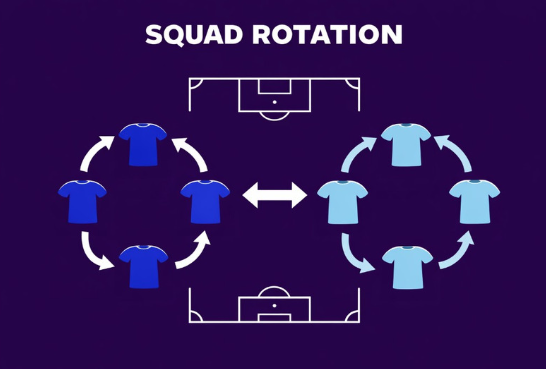
This is why squad rotation in football deserves attention when studying fixtures. Looking at recent results alone may not provide an accurate picture of a team's current strength. Understanding how managers use their available players can reveal potential advantages, weaknesses and unexpected challenges before kick-off.
Here are some important reasons squad rotation should form part of football fixture analysis.
1. Understanding the Impact of Fixture Congestion
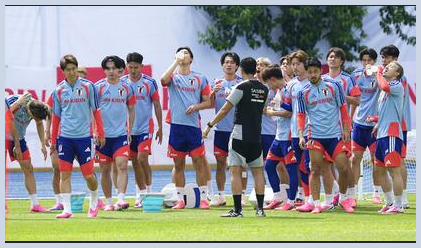
One of the biggest reasons managers rotate their squads is fixture congestion. Teams competing in domestic leagues, cup competitions and European tournaments sometimes have to play several matches within a short period.
This creates physical and mental demands on players, particularly those who feature regularly. A club that plays three matches in seven days may find it difficult to maintain the same level of performance throughout the period. Players can experience fatigue, slower recovery and reduced concentration.
When analysing upcoming fixtures, check how many matches each team has played recently and how much recovery time it has enjoyed.
Pay particular attention to teams involved in European competitions, domestic cup matches and demanding league schedules. Their managers may decide to rest important players in less favourable fixtures to preserve energy for bigger encounters.
Understanding the schedule can help explain why a seemingly stronger team might not field its strongest available line-up.
2. Player Fatigue Can Affect Team Performance
Fatigue is not always obvious from a team's results. A side might continue winning matches even when some of its regular players are physically struggling. However, tired players may gradually lose sharpness, especially during demanding moments.
For example, an exhausted midfielder might become slower when tracking opposing players, while a tired full-back may struggle to recover after making attacking runs. These small problems can affect the entire team's organisation.
When examining football team performance, consider:
- Minutes played by important players in recent matches.
- The number of consecutive starts.
- Recovery time between fixtures.
- Players returning from injury.
- The intensity of previous matches.
These details provide useful context when assessing whether a team can maintain its normal performance level in another demanding fixture.
3. Squad Depth Can Separate Strong Teams from Average Ones
Squad rotation is only effective when a manager has capable alternatives available.
Some clubs can replace two or three regular starters without experiencing a major decline in quality. Others depend heavily on a small group of important players and struggle whenever those individuals are unavailable.
This is where squad depth in football becomes particularly important. A team with experienced substitutes and talented young players has more flexibility when dealing with injuries, suspensions and fixture congestion.
However, having a large squad does not automatically guarantee strong performances. The quality of replacements matters more than the number of players available.
When analysing a fixture, compare the likely substitutes of both teams. Consider whether replacement players can perform the same tactical roles as the regular starters.
A team with better squad depth may have an advantage during a busy period, even if its starting eleven appears similar to that of its opponent.
4. Rotation Can Change a Team's Tactical Approach
Squad rotation does not only affect the quality of players on the pitch. It can also influence how a team approaches a match. Managers sometimes make changes that require adjustments to their usual playing style.
For instance, replacing a creative midfielder with a more defensive player could reduce the team's attacking influence. Resting a quick winger might also limit its ability to launch counterattacks.
Similarly, introducing younger defenders could affect communication and organisation at the back. These changes are important because a team's usual statistics may not accurately represent the players expected to feature in the next match.
Before making an assessment, consider whether the expected line-up is capable of executing the manager's preferred tactics. Team selection and tactical flexibility can make a significant difference, particularly when two opponents have comparable overall records.
5. Identify Fixtures Where Managers May Rest Key Players
Not every match carries the same importance for a club. Managers often prioritise certain competitions depending on their objectives and current position.
For example, a team competing for a league title might have an important European fixture coming up. Its manager could decide to rest several regular starters in the domestic match to ensure they are available for the bigger encounter.
The same situation can happen with fixture congestion, clubs fighting relegation, managing cup commitments or protecting players ahead of important knockout matches.
When analysing football fixtures, investigate:
- Upcoming European or domestic cup matches.
- Important league games scheduled shortly afterwards.
- Whether the team has already secured qualification.
- Competition priorities and current league objectives.
- Recent comments from the manager about player fitness.
These factors can provide clues about possible rotation decisions.
However, avoid assuming that a manager will automatically rest key players. Some coaches prefer to maintain momentum by selecting their strongest available team.
6. Injuries and Suspensions Can Force Unexpected Changes
Not all squad changes are planned. Injuries and suspensions can force managers to alter their preferred starting line-ups. The absence of one influential player can sometimes affect a team more than several planned rotations. For example, losing a regular goalkeeper could introduce uncertainty in defence, while the absence of a key striker might reduce the team's ability to convert scoring opportunities.
Football analysts should therefore distinguish between planned rotation and changes caused by player unavailability.
Check reliable team news before assessing an upcoming fixture. Pay attention to whether replacements have previous experience playing together and whether the manager has suitable alternatives. A team that loses several important players may struggle to reproduce the performances that helped it achieve positive results earlier in the season.
7. Rotated Players Can Sometimes Provide an Unexpected Advantage
Squad rotation is not always a negative development. Fresh players can bring energy, motivation and a different approach to a match.
A substitute who has been waiting for an opportunity may be particularly determined to impress. Younger players can also bring speed and enthusiasm that opponents may find difficult to handle.
Furthermore, rotation can help prevent injuries and keep the entire squad motivated. This is why analysts should avoid treating every change as a weakness. Instead, examine the quality, experience and current form of the players coming into the team. A well-managed rotation policy can make a club more competitive over a long season.
8. Compare Rotation Patterns with Previous Performances
One useful way to understand a manager's approach is to examine how the team has performed after making several changes. Some managers rotate regularly without significantly affecting results. Others experience noticeable difficulties whenever their strongest players are rested.
Look at previous matches where the starting line-up was different from the usual selection. Did the team maintain its attacking threat? Were there more defensive mistakes? Did the substitutes make meaningful contributions?
These comparisons can reveal whether a club has the depth and tactical organisation required to handle squad changes.
However, remember that previous performances are not guarantees of future results. Opponent quality, match importance and individual circumstances must also be considered.
Conclusion
Squad rotation is an important part of modern football, and its influence extends beyond team selection. It affects player fitness, tactical organisation, squad depth and a manager's ability to handle demanding schedules.
For anyone involved in football fixture analysis, understanding these factors can provide a clearer picture of what to expect before kick-off.
Rather than judging teams solely by recent results or league positions, examine their schedules, expected line-ups, player availability and previous rotation patterns.
Sometimes, the difference between two closely matched teams is not their overall quality but the number of fresh, fit and suitable players available on matchday. Recognising that difference can make football analysis more detailed, balanced and informed.